“Should I use heat or cold?” This is a common question that I get asked on a regular basis.
“I was not sure which to use so I did not use any”. You are not alone; I hear this very often also.
Heat
Heat helps to:-
- Promote blood flow to the area
- Makes the blood vessels dilate to improve the circulation to an inflamed area
- Encourages sore muscles to relax
Conditions that heat would help:-
- Osteoarthritis
- Long term muscle pain and tightness
- Muscle spasms
- Tendonitis or tendon stiffness
How to use heat:-
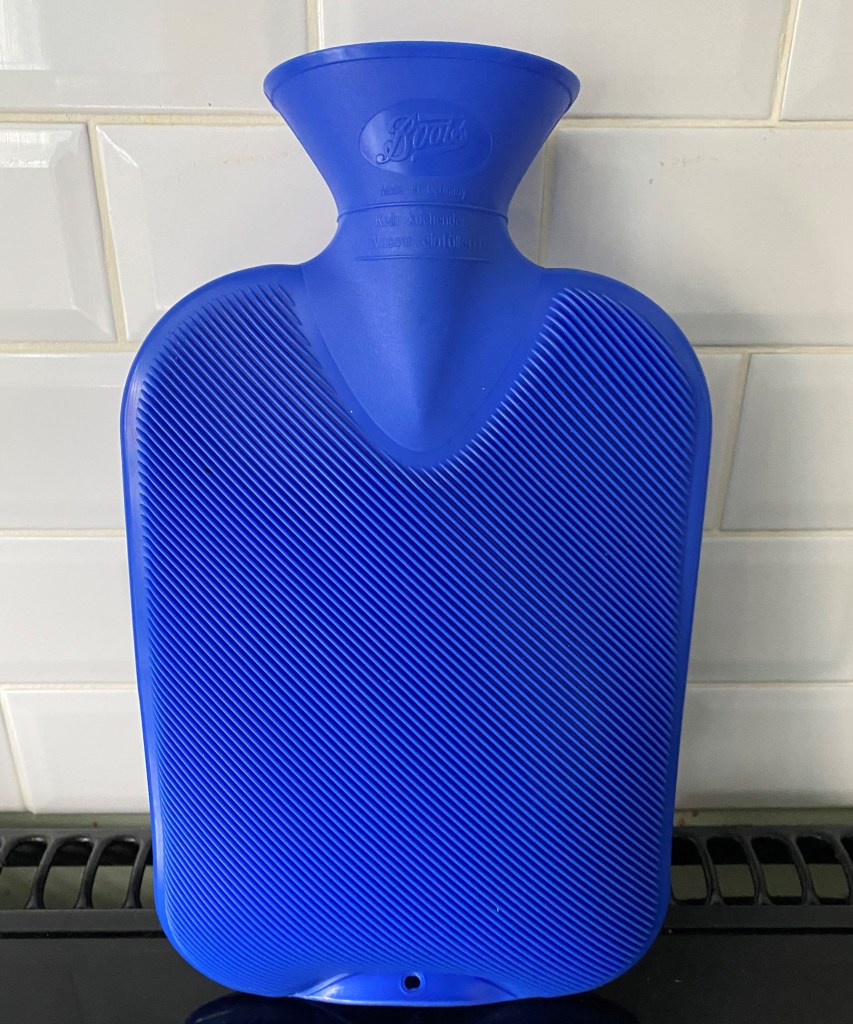
- Hot water bottle
- Warm bath
- Heat pads
- Deep heat
Heat tips –
- Can be used 20 minutes for 3 x a day
- Use heat as part of a warm up to prepare the muscles for exercise
- Avoid excessive heat
- Not suitable for already hot/inflamed areas, insensitivity to heat

COLD
Cold helps to:-
- Slow down the build up of inflammation
- Reduces swelling and bruising
- Prevent secondary tissue damage
- Numb soreness feeling
- Reduce pain signals to the brain
Ice is good for these conditions:-
- Acute pain
- Initial injuries response
- Headaches/migraines
- Muscle sprains
- Ligament strains
How to use ice:-
- Ice packs
- Frozen peas
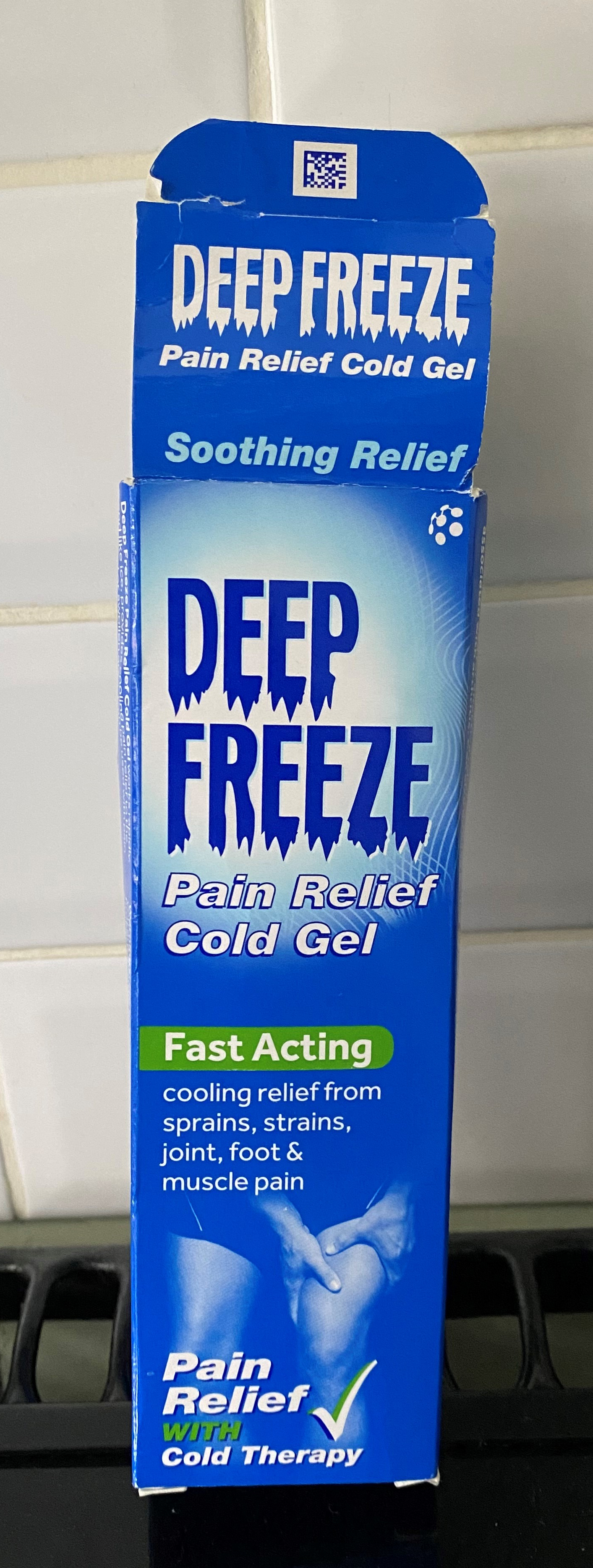
- Biofreeze/Deep freeze gels
- Ice baths
Cold tips:-
- Do not place the ice directly on the skin. It needs a barrier such as a tea towel
- Most acute injuries need 20 minutes of cold use every 2-4 hours alongside RICE (rest, ice, compression, elevation)
- Using a gel such as biofreeze can be placed in a bag and used after an exercise session
- Do not use on open wounds, burns, blistered skin
Summary of heat vs cold
If the pain is more long term = heat
If the injury is recent = cold
ALWAYS read the labels and follow the instructions advised
 Charlotte Parker Osteopath